High-Protein Scrambled Eggs with Cottage Cheese
I make this dish when I need a fast, satisfying breakfast that won’t waver on nutrition. High-protein scrambled eggs folded with cottage cheese turn ordinary eggs into a creamy, protein-packed meal in under 10 minutes. It’s perfect for busy mornings, post-workout fuel, or a simple brunch that keeps you full until lunch.
Why you’ll love this dish
This recipe keeps things simple but does two things really well: boosts protein without losing creaminess, and cooks up in minutes with pantry staples. The cottage cheese melts into the eggs while they cook, giving a custardy texture and extra protein—great if you’re tracking macros or trying to feel fuller longer.
“I swapped my usual scrambled eggs for this version and was surprised at how creamy and filling it felt. Quick, healthy, and perfect for weekday mornings.” — a happy kitchen test
Beyond convenience, the dish is budget-friendly, kid-friendly, and versatile: tweak herbs, add a veg, or tuck it into a wrap. It’s also forgiving for novice cooks—gentle heat and a non-stick pan are the main tricks.
How this recipe comes together
This is a quick overview so you know what to expect:
- Whisk eggs together with cottage cheese, salt, and pepper until mostly combined.
- Warm oil or butter in a non-stick skillet over medium heat.
- Pour the mixture into the pan and stir gently, scraping from the bottom as curds form.
- Remove from heat when the eggs are still slightly creamy—the residual heat finishes them.
- Plate and serve while warm.
What you’ll need
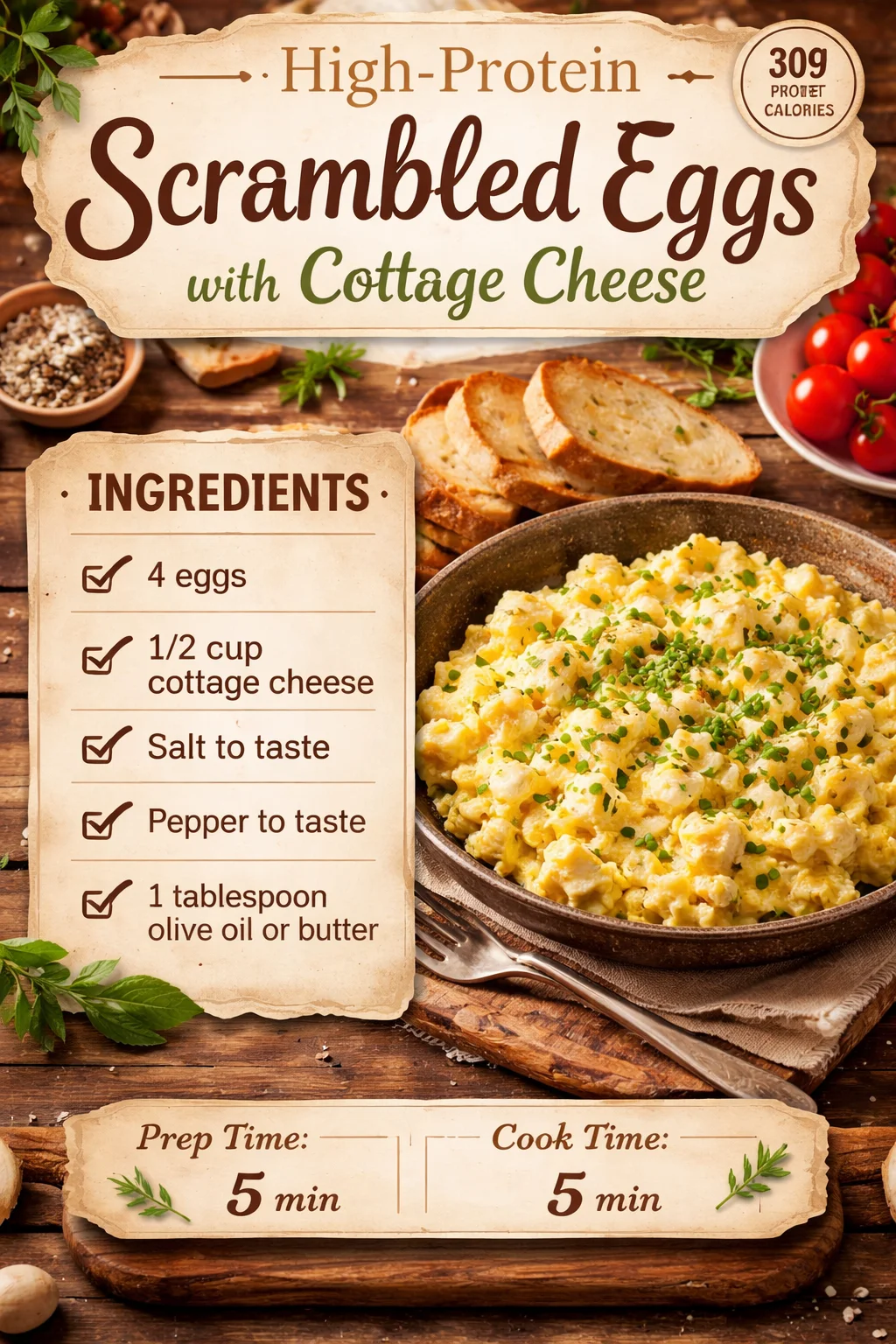
- 4 large eggs (room temperature if possible for even cooking)
- 1/2 cup cottage cheese (small-curd recommended for smoother texture)
- Salt, to taste (start with 1/4 teaspoon)
- Freshly ground black pepper, to taste
- 1 tablespoon olive oil or butter (butter adds a richer flavor)
Notes and substitutions:
- Use full-fat cottage cheese for extra creaminess; low-fat works but can be slightly wetter.
- Swap in 3–4 egg whites plus 2 whole eggs if you want fewer calories but keep some yolks for flavor.
- For a tangy swap, replace half the cottage cheese with plain Greek yogurt (drain first to avoid excess moisture).
Directions to follow
- Crack the eggs into a bowl. Add the cottage cheese, a pinch of salt, and pepper. Whisk briefly—you don’t need perfect smoothness; small curds are okay.
- Heat a non-stick skillet over medium heat. Add the olive oil or butter and let it warm until shimmering (or the butter just starts foaming).
- Pour the egg and cottage cheese mixture into the pan. Let it sit for about 10–15 seconds until the edges begin to set.
- Gently stir and fold the eggs with a silicone spatula, scraping the bottom and bringing soft curds to the center. Keep the heat moderate; fast, high heat will dry them out.
- When the eggs look mostly set but still glossy and slightly underdone—about 3–5 minutes total—remove the pan from the heat. Residual heat will finish the cooking.
- Taste and adjust seasoning. Serve immediately.
Best ways to enjoy it
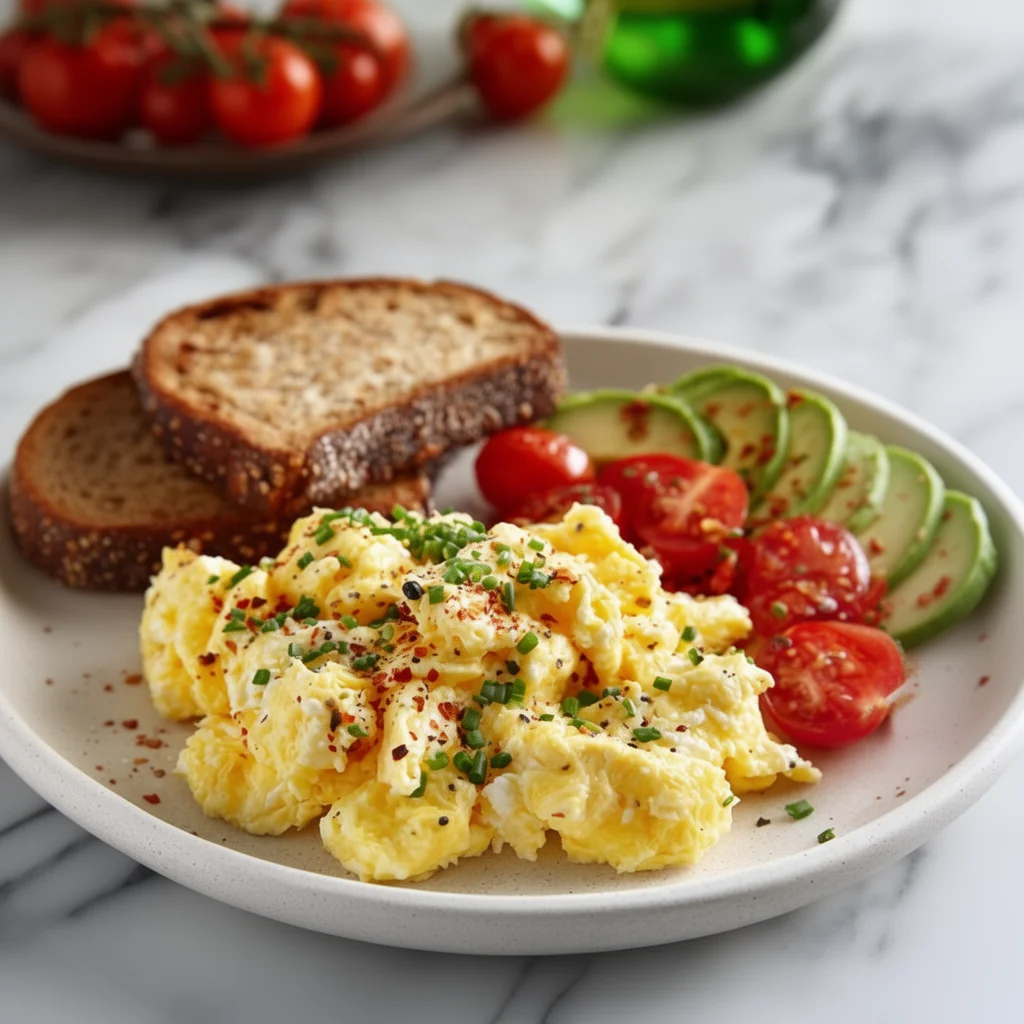
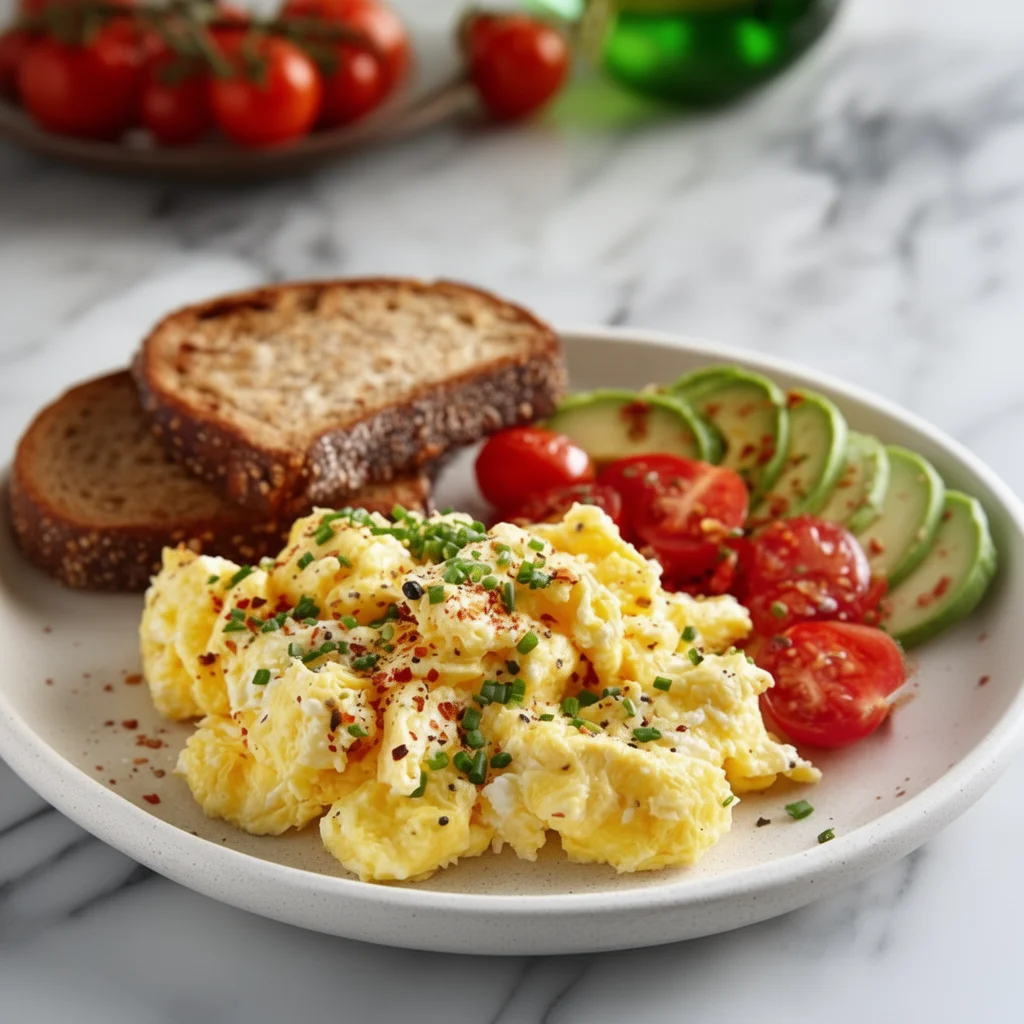
- Spoon over toasted whole-grain bread and top with sliced avocado and hot sauce for a hearty breakfast.
- Fold into a warm tortilla with salsa and spinach for a protein-rich breakfast burrito.
- Serve alongside a simple mixed-green salad and roasted tomatoes for a light lunch.
- Garnish with fresh chives, chopped dill, or a sprinkle of smoked paprika to add brightness and color.
- Add a protein pairing like smoked salmon or turkey bacon for a brunch-worthy plate.
Storage and reheating tips
- Refrigerate leftovers in an airtight container within two hours of cooking. Consume within 3–4 days.
- Reheat gently: warm in a non-stick skillet over low heat, stirring occasionally, or microwave in short 20–30 second bursts, stirring between intervals to avoid rubbery texture.
- Freezing cooked scrambled eggs with cottage cheese is not recommended—the texture becomes watery and grainy. If you must, freeze for up to 1 month and expect changes in texture.
- Always reheat to steaming hot (165°F / 74°C) and discard if the eggs have an off smell or have been left out at room temperature longer than two hours.
Pro chef tips
- Salt timing: hold back a bit of salt until after cooking if you’re using cottage cheese, which can be salty. Over-salting concentrates as moisture evaporates.
- Temperature control: cook over medium to medium-low. High heat makes eggs tough and dry.
- Texture control: for a silkier result, use small-curd cottage cheese or pulse cottage cheese briefly in a blender before whisking.
- Remove early: pull the pan off the heat when eggs are still slightly wet—carryover heat will firm them up to perfect creaminess.
- Use a rubber spatula and gentle folding motions to produce large, tender curds rather than tiny, crumbly bits.
Creative twists
- Veg-forward: fold in sautéed spinach, mushrooms, or roasted bell peppers at the end.
- Mediterranean: stir in chopped sun-dried tomatoes, kalamata olives, and feta.
- Smoky & savory: add a little smoked salmon and dill for a luxe brunch.
- Spicy kick: mix in chopped pickled jalapeños or a spoonful of Sriracha.
- Vegan-ish alternative: replace eggs with crumbled silken tofu and use a dairy-free cottage cheese substitute; season with turmeric for color and kala namak for an eggy flavor.
Helpful answers
Q: How much protein is in this dish?
A: Rough estimate: 4 large eggs provide about 24–28 g of protein total, and 1/2 cup cottage cheese adds roughly 12–14 g. That puts the whole recipe around 36–42 g of protein, depending on egg size and cottage cheese brand. Divide by portions for per-serving amounts.
Q: Can I use Greek yogurt instead of cottage cheese?
A: Yes—plain Greek yogurt works well and gives a tangy, creamy texture. Use a thick Greek yogurt and drain any excess whey first to avoid thinning the eggs.
Q: Will the cottage cheese make the eggs watery?
A: If you use a very wet cottage cheese, the mixture can release moisture. Choose small-curd or drain briefly on paper towel if needed. Cooking gently removes excess moisture while preserving creaminess.
Q: Can I make this ahead for meal prep?
A: You can prepare the egg-cottage cheese mixture the night before and refrigerate in a sealed container. Cook shortly before serving for best texture. Fully cooked eggs are fine refrigerated for 3–4 days but are best reheated gently.
Q: How do I make them fluffier?
A: Whisk the eggs vigorously to incorporate air, or separate whites and yolks: beat whites until slightly foamy, fold in beaten yolks and cottage cheese. Cook low and slow to trap air and form larger curds.
Conclusion
If you want a quick, protein-packed breakfast that’s creamy and adaptable, this cottage cheese–enriched scramble is an excellent go-to. For more variations and inspiration, see High-Protein Scrambled Eggs with Cottage Cheese – Skinnytaste and High-Protein Scrambled Eggs with Cottage Cheese – Joy Bauer.
Cottage Cheese Scramble
Ingredients
Main Ingredients
- 4 large large eggs Room temperature if possible for even cooking
- 1/2 cup cottage cheese Small-curd recommended for smoother texture
- 1/4 teaspoon salt Start with a pinch, adjust to taste
- to taste freshly ground black pepper
- 1 tablespoon olive oil or butter Butter adds a richer flavor
Instructions
Preparation
- Crack the eggs into a bowl. Add the cottage cheese, a pinch of salt, and pepper. Whisk briefly—you don’t need perfect smoothness; small curds are okay.
Cooking
- Heat a non-stick skillet over medium heat. Add the olive oil or butter and let it warm until shimmering (or the butter just starts foaming).
- Pour the egg and cottage cheese mixture into the pan. Let it sit for about 10–15 seconds until the edges begin to set.
- Gently stir and fold the eggs with a silicone spatula, scraping the bottom and bringing soft curds to the center. Keep the heat moderate; fast, high heat will dry them out.
- When the eggs look mostly set but still glossy and slightly underdone—about 3–5 minutes total—remove the pan from the heat. Residual heat will finish the cooking.
Serving
- Taste and adjust seasoning. Serve immediately.