Homemade Feta Cheese
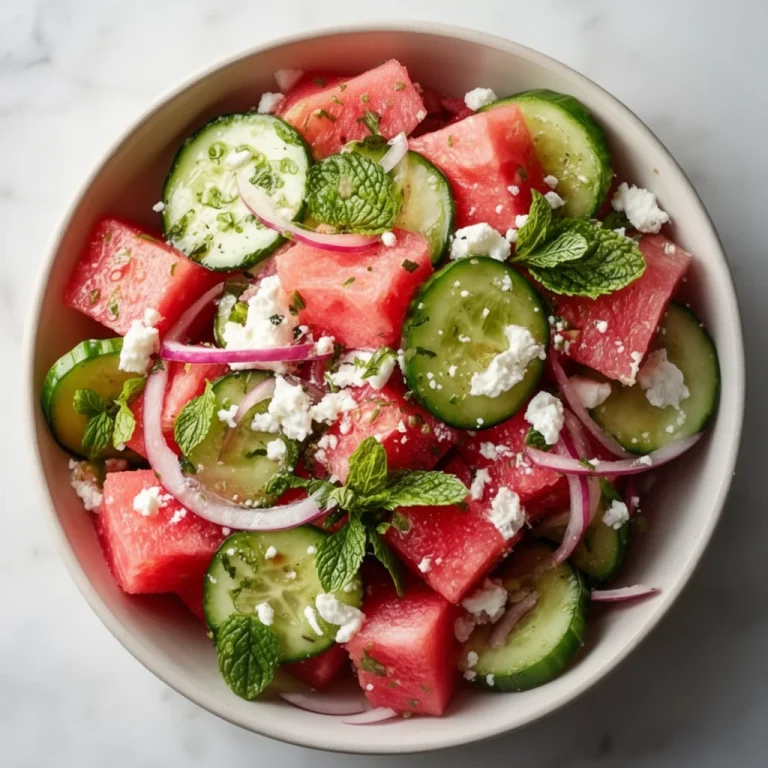
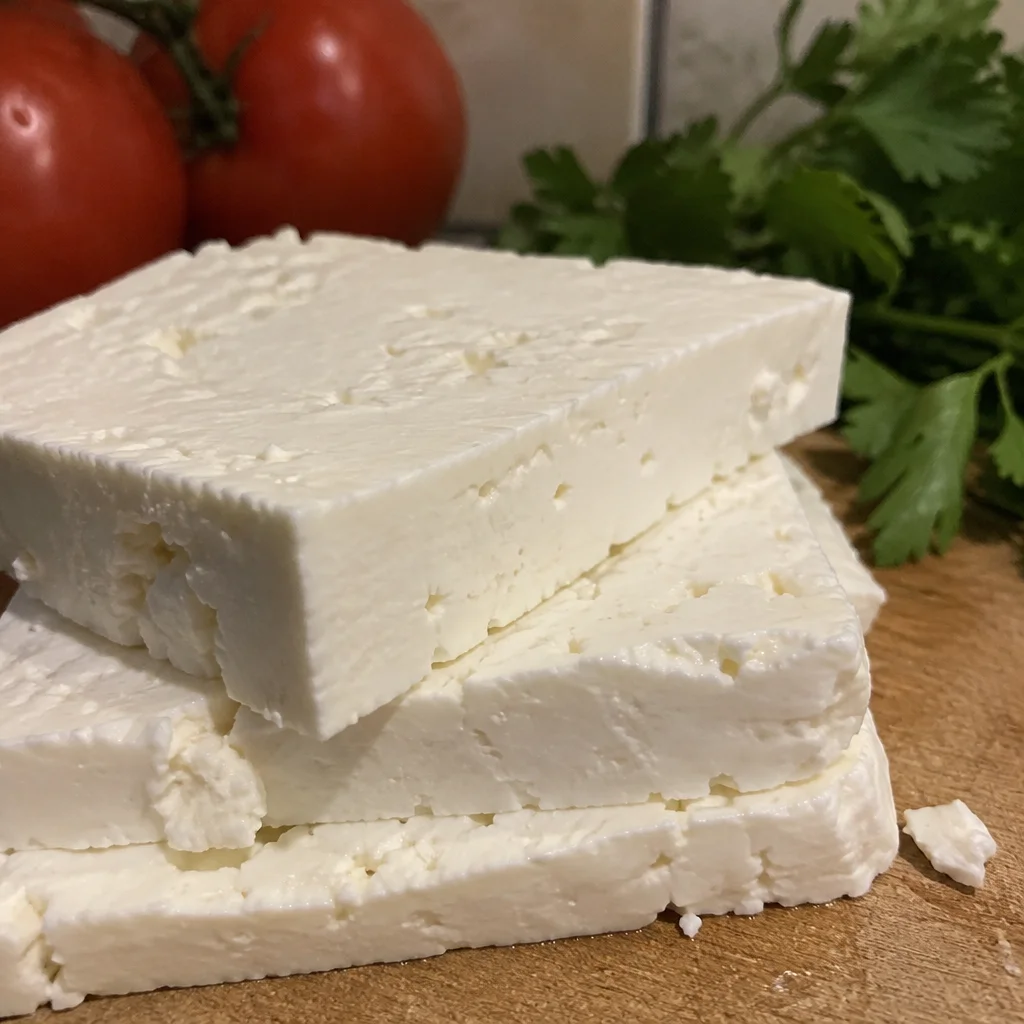
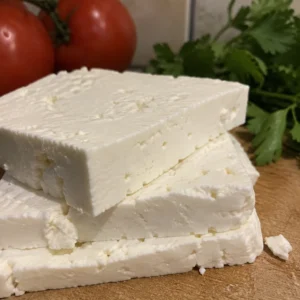
Making homemade feta cheese is an incredibly rewarding experience that elevates any dish. There’s nothing quite like enjoying fresh cheese that you’ve crafted yourself, and this recipe is perfect for both beginners and seasoned cheese makers. Whether you’re looking to impress guests at a dinner party or simply want to create a delightful addition to your salads, the creamy, tangy flavor of homemade feta is a game changer. Plus, it’s an excellent way to utilize leftover milk, which makes it both practical and delicious. I recently made a batch and added it to an antipasto salad, and it was a hit!
Why make this recipe
Creating your own feta cheese has several unique benefits. First, it allows you to control the ingredients, ensuring that your cheese is made with high-quality milk without unnecessary additives. This recipe is also budget-friendly, using just a few simple ingredients to create a gourmet product. Homemade feta is perfect for weeknight dinners, brunch gatherings, or as a topping for a grilled vegetable platter. You may also find Feta Cream Cheese Dip useful.
"The homemade feta was creamy, with a delightful tang, that took my dishes to a whole new level!" You may also find Baked Feta Eggs With Tomatoes And Spinach useful.
How to make Homemade Feta Cheese
Making homemade feta cheese involves several key steps, but don’t let that intimidate you! Once you gather your ingredients and set aside a bit of time, the process is straightforward. You’ll need to heat milk, add curdling agents, and allow the cheese to set before it’s ready to season and serve. You may also find Baked Feta Recipe useful.
Ingredients
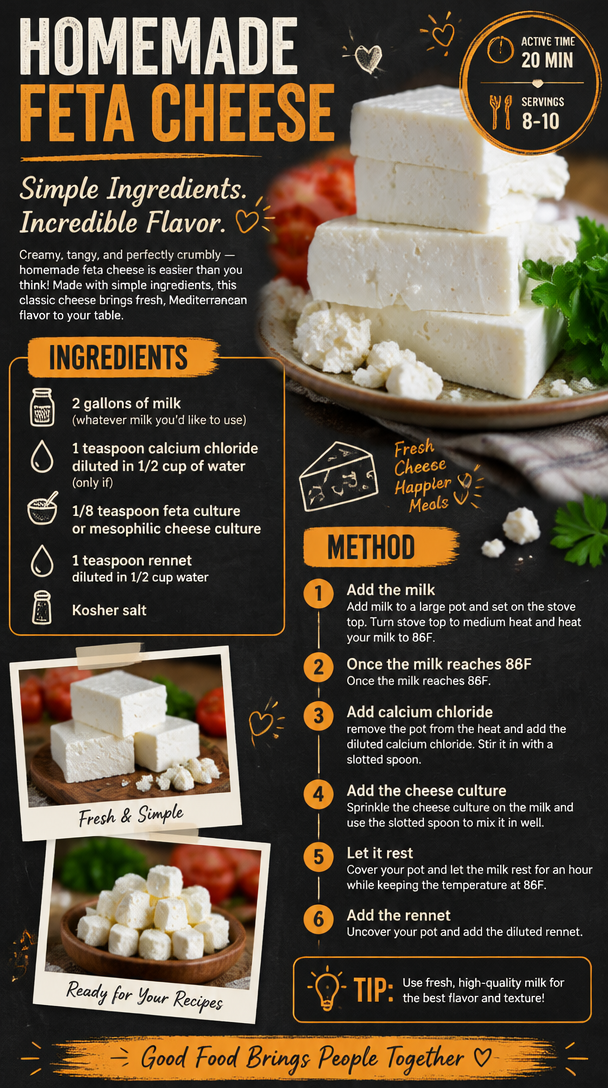
- 2 gallons of milk (any milk of your choice)
- 1 teaspoon calcium chloride diluted in 1/2 cup of water (only necessary for store-bought milk)
- 1/8 teaspoon feta culture or mesophilic cheese culture
- 1 teaspoon rennet diluted in 1/2 cup of water
- Kosher salt
These ingredients come together beautifully, creating a creamy feta that can elevate any recipe.
Directions
- Start by adding the milk to a large pot over medium heat, stirring constantly to prevent it from burning. Heat the milk until it reaches 86°F.
- Remove from heat and stir in the diluted calcium chloride with a slotted spoon if using store-bought milk.
- Sprinkle the cheese culture on top, then mix it in thoroughly with the slotted spoon.
- Cover the pot and let it rest for one hour, maintaining the temperature at 86°F.
- After the hour, add the diluted rennet and stir immediately with the slotted spoon.
- Cover the pot again and let it rest for an additional hour.
- Once set, cut the curds into squares using a large knife oricing spatula.
- Allow the curds to rest for 5 minutes, then gently stir three times over the course of the next 15 minutes.
- Line a colander with cheesecloth and transfer the curds into it, giving the whey a moment to drain.
- Gather the cheesecloth into a bag and hang it on a cabinet to drain overnight, with a bowl underneath to catch the whey.
- The next day, remove the bag from hanging and place the cheese on a cutting board. Cut it into 1-inch thick slabs.
- Sprinkle kosher salt in a 9×13 inch pan, layer the slabs of cheese, then add another layer of salt on top. Cover and refrigerate for 24 hours, salting the cheese on both sides a couple of times during this period.
- After 24 hours, your feta cheese is ready to enjoy!
How to serve Homemade Feta Cheese
The best way to enjoy your homemade feta cheese is to let it shine in simple dishes. Pair it with olives, roasted vegetables, or use it as a delightful topping for your favorite pasta dishes. Consider trying it in a recipe for baked feta pasta for a creamy, flavorful experience, or serve it with grilled bread and a drizzle of olive oil.
How to store
To keep your homemade feta fresh, store it submerged in a brine solution or olive oil in an airtight container. This helps maintain its moisture and flavor. It’s best enjoyed within a week or two, but you can also freeze portions for later use. Just ensure that it’s properly wrapped to avoid freezer burn.
Tips to make
- For a creamier texture, consider using whole milk or a blend of whole and 2% milk.
- If you’re looking for a stronger flavor, let your feta age longer in the brine.
- When working with rennet and cultures, always use clean utensils to prevent any unwanted bacteria from affecting your cheese-making process.
Variations
Feel free to get creative with flavors! Consider adding herbs like dill or chives to your feta for an extra kick. You can also experiment with different types of milk, such as goat or sheep milk, for a different flavor profile.
Frequently Asked Questions
Can I use any type of milk for this recipe?
Yes, you can use any milk, but whole milk will yield a creamier feta.
What’s the best way to store my feta?
Store it submerged in brine or olive oil in an airtight container to keep it fresh.
How long does this homemade feta cheese last?
It’s best consumed within one to two weeks, but can last longer if properly stored.
Can I use this feta in cooking?
Absolutely! It works beautifully in dishes like salads, pastas, or as a topping for baked items.
Can I make flavored feta?
Certainly! Adding herbs or spices during the salting process can create delicious flavored options.
Conclusion
Homemade feta cheese can be a fabulous addition to your culinary repertoire. With simple ingredients and a bit of patience, you can create a fresh and delightful cheese that enhances many dishes. For those interested in broader cheese-making skills, check out this comprehensive guide on how to make feta cheese. If you want a different take on this classic, consider this homemade feta cheese recipe for more inspiration. Enjoy your cheese-making journey!
Homemade Feta Cheese
Ingredients
Main Ingredients
- 2 gallons milk (any milk of your choice) Whole milk yields creamier feta.
- 1 teaspoon calcium chloride diluted in 1/2 cup of water Only necessary for store-bought milk.
- 1/8 teaspoon feta culture or mesophilic cheese culture Used to culture the milk.
- 1 teaspoon rennet diluted in 1/2 cup of water Key ingredient for curdling the milk.
- to taste Kosher salt For seasoning and preserving the feta.
Instructions
Preparation
- Add the milk to a large pot over medium heat, stirring constantly to prevent burning. Heat until it reaches 86°F.
- Remove from heat and stir in the diluted calcium chloride if using store-bought milk.
- Sprinkle the cheese culture on top, then mix it in thoroughly.
- Cover the pot and let it rest for one hour, maintaining the temperature at 86°F.
- After an hour, add the diluted rennet and stir immediately.
- Cover the pot again and let it rest for an additional hour.
- Once set, cut the curds into squares using a knife.
- Allow the curds to rest for 5 minutes, then gently stir three times over the next 15 minutes.
- Line a colander with cheesecloth and transfer curds, allowing whey to drain.
- Gather cheesecloth and hang it to drain overnight with a bowl underneath.
- The next day, place the cheese on a cutting board and cut into 1-inch thick slabs.
- Sprinkle kosher salt in a pan, layer cheese slabs, and add another layer of salt on top. Cover and refrigerate for 24 hours, salting the cheese on both sides occasionally.