Veggie Pasta
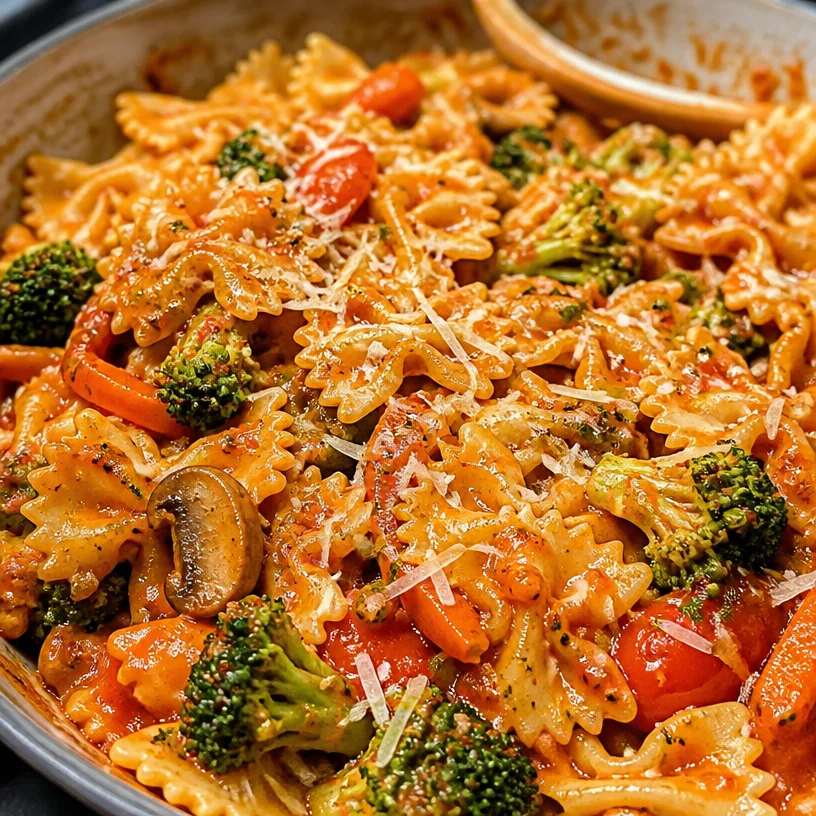
I make this veggie pasta when I want a comforting dinner without a long grocery list or much cleanup. Tender seasonal vegetables, garlicky tomato sauce, and pasta come together in one skillet for a flexible meal that works equally well on a busy weeknight or a relaxed family dinner. If you enjoy simple vegetable-forward meals, this one-pot veggie pasta is another useful recipe to keep nearby.
Why you’ll love this dish
This recipe is quick, affordable, and easy to adapt to whatever vegetables are in the refrigerator. Zucchini, bell peppers, cherry tomatoes, and spinach create a colorful combination, but the method works with broccoli, mushrooms, asparagus, or chopped green beans too.
The tomato sauce adds moisture and bold flavor without requiring a separate pot. Parmesan brings a salty, savory finish, while olive oil and garlic create the foundation of the dish. It is also an approachable way to add more vegetables to a family meal.
Make it for:
- A weeknight dinner that takes about 30 minutes
- A meatless Monday meal
- A budget-friendly pantry dinner
- A meal-prep lunch
- A casual dinner with garlic bread or salad
“This pasta is fresh, comforting, and easy to customize. The vegetables stay flavorful instead of disappearing into the sauce, and the Parmesan makes every bite feel complete.”
How this recipe comes together
First, cook the pasta until just tender and reserve a little pasta water before draining. While it cooks, sauté garlic and the firmest vegetables in olive oil. Add softer vegetables later so they do not become mushy.
Next, stir in canned tomatoes or tomato sauce and season the mixture well. Toss the drained pasta into the skillet, adding a splash of reserved pasta water if the sauce needs loosening. Finish with Parmesan and serve while hot.
What you’ll need
Serves 4.
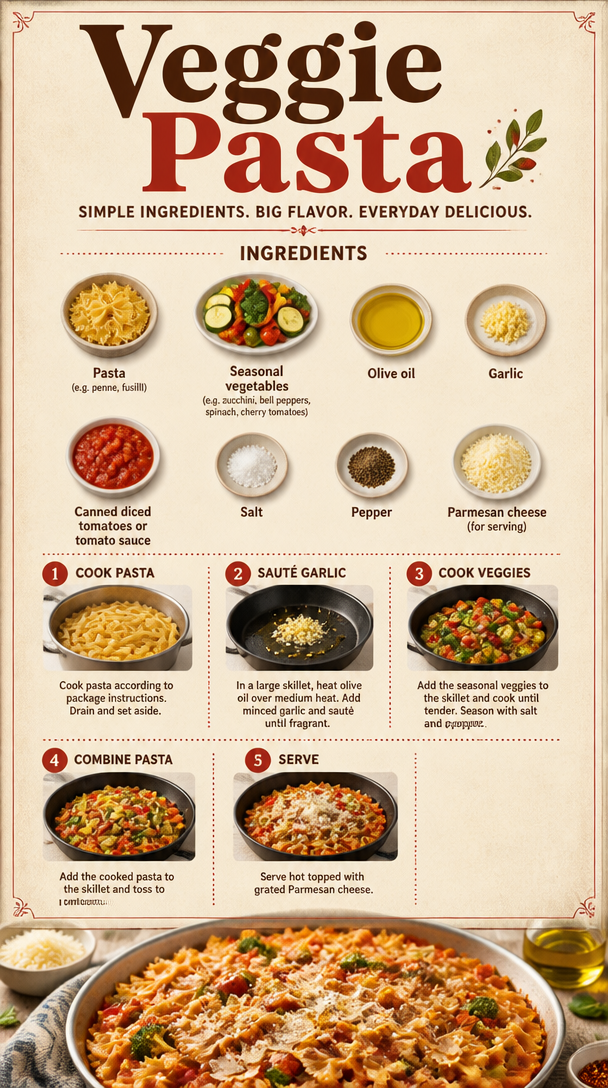
- 12 ounces penne, fusilli, or another short pasta
- 2 tablespoons olive oil
- 3 garlic cloves, minced
- 1 medium zucchini, chopped
- 1 bell pepper, sliced or diced
- 1 cup cherry tomatoes, halved
- 2 cups baby spinach
- 1 can diced tomatoes, about 14 ounces, or 2 cups tomato sauce
- ¾ teaspoon salt, plus more for the pasta water
- ¼ teaspoon black pepper
- ½ cup grated Parmesan cheese, for serving
You can use frozen spinach, but thaw and squeeze it well first. For a richer sauce, add a small spoonful of tomato paste with the canned tomatoes. Whole-wheat or gluten-free pasta also works; simply follow the cooking time on its package.
Cooking method
- Bring a large pot of salted water to a boil. Cook the pasta according to the package directions until al dente.
- Before draining, reserve about ½ cup of pasta water. Drain the pasta and set it aside.
- Heat the olive oil in a large skillet over medium heat.
- Add the minced garlic and cook for about 30 seconds, just until fragrant. Do not let it turn dark brown.
- Add the zucchini and bell pepper. Sauté for 4 to 5 minutes, stirring occasionally, until they begin to soften.
- Add the cherry tomatoes and spinach. Cook until the spinach wilts and the tomatoes begin to soften.
- Stir in the diced tomatoes or tomato sauce. Season with salt and black pepper, then simmer for 3 to 4 minutes.
- Add the cooked pasta to the skillet and toss until thoroughly coated. Add reserved pasta water a tablespoon at a time if the sauce looks thick.
- Taste and adjust the seasoning. Serve immediately with grated Parmesan.
Best ways to enjoy it
Serve the pasta in warmed bowls with Parmesan, cracked black pepper, and a drizzle of olive oil. A few torn basil leaves or chopped parsley add freshness, while red pepper flakes provide gentle heat.
For a more complete meal, pair it with a crisp green salad, roasted vegetables, or toasted garlic bread. If you want a protein boost, add white beans, chickpeas, grilled chicken, or sautéed shrimp. For another quick vegetable-centered option, try this 20-minute pasta with vegetables.
Storage and reheating tips
Cool leftovers promptly and transfer them to a shallow airtight container. Refrigerate within two hours of cooking and use within 3 to 4 days.
Reheat individual portions in the microwave, stirring halfway through. You can also warm the pasta in a skillet over medium-low heat with a splash of water or broth. The extra liquid helps restore the sauce and prevents the pasta from drying out.
Freezing is possible, although the vegetables may soften slightly after thawing. Freeze cooled pasta in airtight portions for up to 2 months. Thaw overnight in the refrigerator and reheat gently.
Tricks for success
- Salt the pasta water well so the pasta is seasoned from the inside.
- Cook the pasta just to al dente because it will continue cooking briefly in the sauce.
- Add vegetables according to size and firmness; dense vegetables need more time than spinach.
- Keep the garlic over medium heat to prevent bitterness.
- Reserve pasta water before draining. Its starch helps the sauce cling to the noodles.
- Taste after adding Parmesan because the cheese contributes additional salt.
- Avoid overcrowding the skillet, which can cause the vegetables to steam instead of sauté.
For a spicy variation with a deeper savory flavor, this one-pot gochujang pasta offers a useful example of how a bold sauce can transform a simple pasta dinner.
Flavor swaps
Use the vegetables that are freshest and easiest to find:
- Replace zucchini with yellow squash or eggplant.
- Swap bell pepper for mushrooms, broccoli, or asparagus.
- Stir in arugula instead of spinach at the end.
- Add olives, capers, or sun-dried tomatoes for a Mediterranean-style finish.
- Use mozzarella, feta, or nutritional yeast instead of Parmesan.
- Add white beans or lentils for a vegetarian protein option.
- Use gluten-free pasta when needed.
- Omit Parmesan and check the tomato sauce label for a fully vegan version.
For a chilled option, toss similar ingredients with a tangy dressing instead of tomato sauce and make an Asian pasta salad for picnics or packed lunches. If you prefer serving vegetables alongside a protein, air-fried sausage and vegetables make a fast companion meal; see this air-fryer chicken sausage and veggies recipe for inspiration.
Common questions
Can I make veggie pasta ahead of time?
Yes. Prepare it up to 3 days ahead and refrigerate it promptly. Keep a little extra sauce or pasta water available when reheating because the noodles absorb liquid as they sit.
What vegetables go best in this pasta?
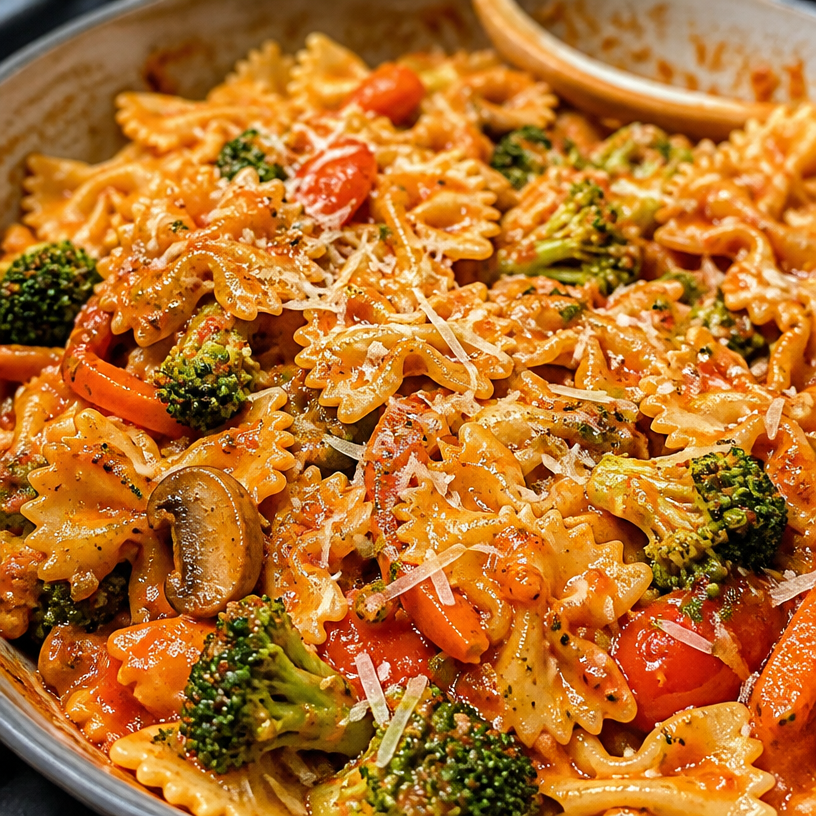
Zucchini, bell peppers, cherry tomatoes, and spinach are especially convenient because they cook quickly. You can also use broccoli, mushrooms, peas, asparagus, carrots, or leftover roasted vegetables.
How can I make this recipe vegan?
Leave out the Parmesan or replace it with nutritional yeast or a plant-based Parmesan alternative. Confirm that the pasta and canned sauce are vegan if that is important for your diet.
Why is my pasta dry?
The pasta may have absorbed more sauce than expected, or it may have been cooked too far before combining. Stir in warm pasta water, broth, or a little extra tomato sauce while reheating.
Can I add meat to the recipe?
Certainly. Stir in cooked chicken, Italian sausage, shrimp, or ground turkey. Add cooked proteins near the end so they warm through without becoming tough.
Conclusion
This veggie pasta is a dependable template rather than a rigid formula: choose a short pasta, use the vegetables available, and finish with enough sauce and Parmesan to bring everything together. For another take on a vegetable-rich pasta dinner, compare it with this classic pasta primavera recipe or browse these vegetarian pasta recipes for more ideas.
One-Pot Veggie Pasta
Ingredients
Pasta and Sauce Ingredients
- 12 ounces penne, fusilli, or another short pasta Whole-wheat or gluten-free pasta can be used.
- 2 tablespoons olive oil
- 3 cloves garlic, minced
- 1 medium zucchini, chopped Can also substitute with yellow squash or eggplant.
- 1 piece bell pepper, sliced or diced Can substitute with broccoli or asparagus.
- 1 cup cherry tomatoes, halved
- 2 cups baby spinach Frozen spinach can be used; thawed and squeezed.
- 1 can diced tomatoes (about 14 ounces) or 2 cups tomato sauce For a richer sauce, add a spoonful of tomato paste.
- ¾ teaspoon salt, plus more for the pasta water
- ¼ teaspoon black pepper
- ½ cup grated Parmesan cheese, for serving Can replace with mozzarella, feta, or nutritional yeast for vegetarian options.
Instructions
Preparation
- Bring a large pot of salted water to a boil.
- Cook the pasta according to the package directions until al dente.
- Before draining, reserve about ½ cup of pasta water. Drain the pasta and set it aside.
- Heat the olive oil in a large skillet over medium heat.
- Add the minced garlic and cook for about 30 seconds, just until fragrant.
Cooking
- Add the zucchini and bell pepper. Sauté for 4 to 5 minutes, stirring occasionally, until they begin to soften.
- Add the cherry tomatoes and spinach. Cook until the spinach wilts and the tomatoes begin to soften.
- Stir in the diced tomatoes or tomato sauce. Season with salt and black pepper, then simmer for 3 to 4 minutes.
- Add the cooked pasta to the skillet and toss until thoroughly coated.
- Add reserved pasta water a tablespoon at a time if the sauce looks thick.
- Taste and adjust the seasoning before serving.
Serving
- Serve immediately with grated Parmesan on top.