High-Protein Scrambled Eggs with Cottage Cheese
I still make this High-Protein Scrambled Eggs with Cottage Cheese on busy mornings when I want something fast, filling, and a little more luxurious than plain scrambled eggs. The cottage cheese folds right into the eggs, giving a tangy, creamy lift and an extra boost of protein—perfect for a post-workout breakfast, a no-fuss brunch, or a weeknight meal when you need something nourishing in ten minutes.
Why you’ll love this dish
This version of scrambled eggs is creamy, quick, and reliably satisfying. Adding cottage cheese keeps the eggs moist and increases protein without making the dish heavy. It’s great when you want to:
- Eat fast but feel full (high-protein breakfasts tend to do that).
- Stretch a small number of ingredients into a substantial plate.
- Sneak extra calories and protein into kids’ breakfasts in a mild, familiar flavor.
“I thought cottage cheese would be weird in eggs, but it turned them into the creamiest scramble I’ve had—simple and surprisingly filling.”
Beyond taste, it’s budget-friendly, low-prep, and versatile enough for both solo breakfasts and family tables.
The cooking process explained
Overview: Whisk eggs and cottage cheese together, gently heat fat in a nonstick pan, add the egg mixture, and cook slowly while stirring to create soft curds. Finish with seasoning and serve immediately.
What to expect while cooking:
- The cottage cheese will break up into small curds and melt into the eggs as they cook; this gives a slightly lacy texture.
- Use medium to low heat so the eggs don’t dry out; quick high heat makes them rubbery.
- You can stop cooking when the eggs look slightly underdone—they’ll finish cooking from residual heat off the pan.
Gather these items
Key ingredients
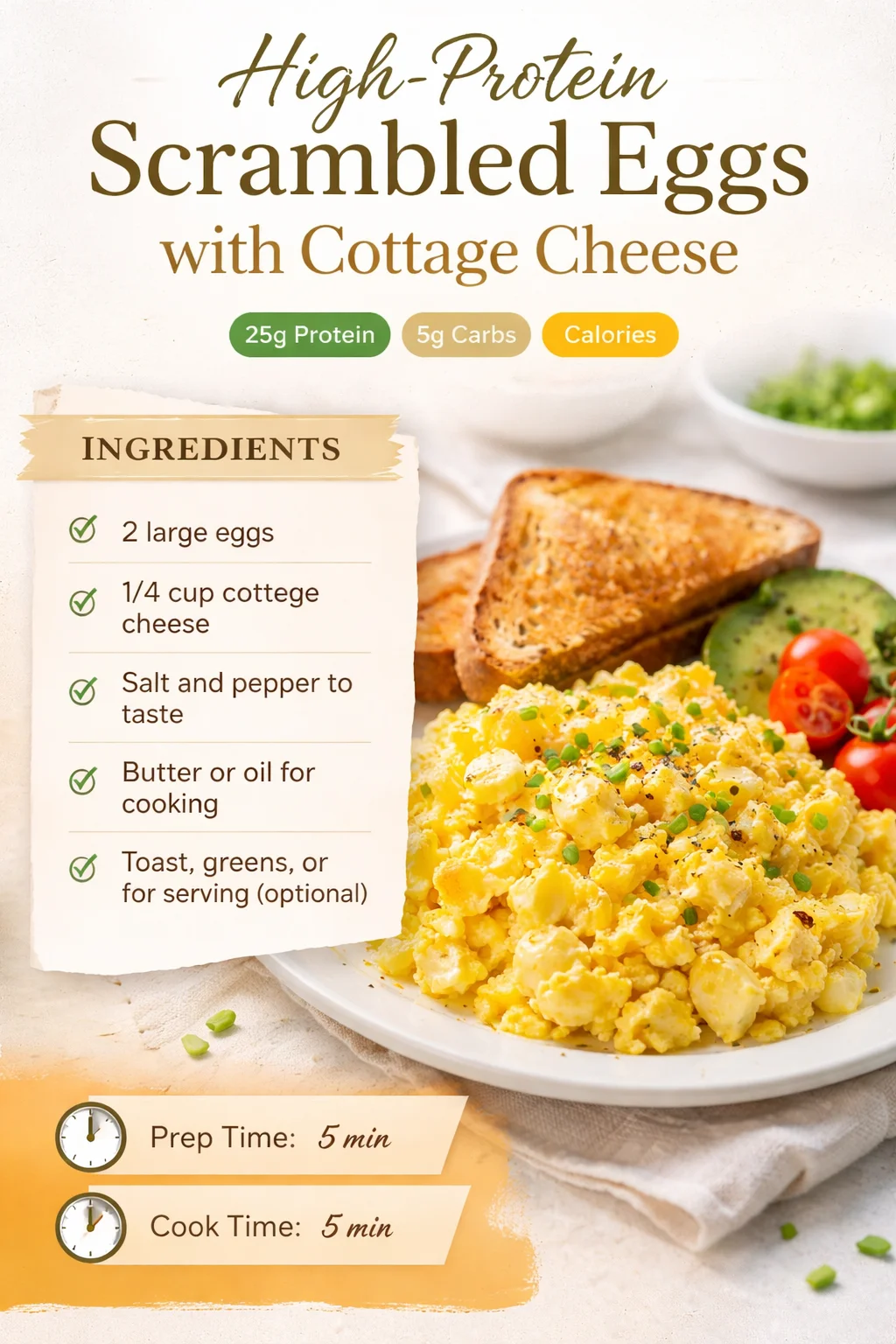
- 2 large eggs
- 1/4 cup cottage cheese (small or medium curd; full-fat gives the creamiest result)
- Salt and freshly ground black pepper, to taste
- Butter or oil for cooking (butter adds flavor; neutral oil tolerates higher heat)
- Optional for serving: toast, fresh greens, or fruit
Notes and substitutions:
- Greek yogurt (thick) can replace cottage cheese for a tangier, smoother texture.
- For a dairy-free alternative, try crumbled firm tofu stirred with a splash of plant milk and a pinch of kala namak for eggy flavor.
- Use pasteurized eggs if serving to pregnant people or those with compromised immunity.
Step-by-step instructions
- Crack the eggs into a bowl. Add the cottage cheese, a pinch of salt, and a few grinds of black pepper. Whisk until the mixture is homogeneous but still slightly lumpy from the cottage cheese.
- Heat a nonstick skillet over medium heat and add a small pat of butter or 1 teaspoon oil. Swirl to coat.
- Pour the egg mixture into the skillet. Let it sit for 10–15 seconds so the edges begin to set.
- With a silicone spatula, gently push the eggs from the edge toward the center. Stir slowly and intermittently to form large, soft curds.
- When the eggs are mostly set but still slightly glossy, remove the pan from the heat. The residual warmth will finish cooking them.
- Taste and adjust seasoning. Serve immediately with toast, salad greens, or fruit.
Best ways to enjoy it
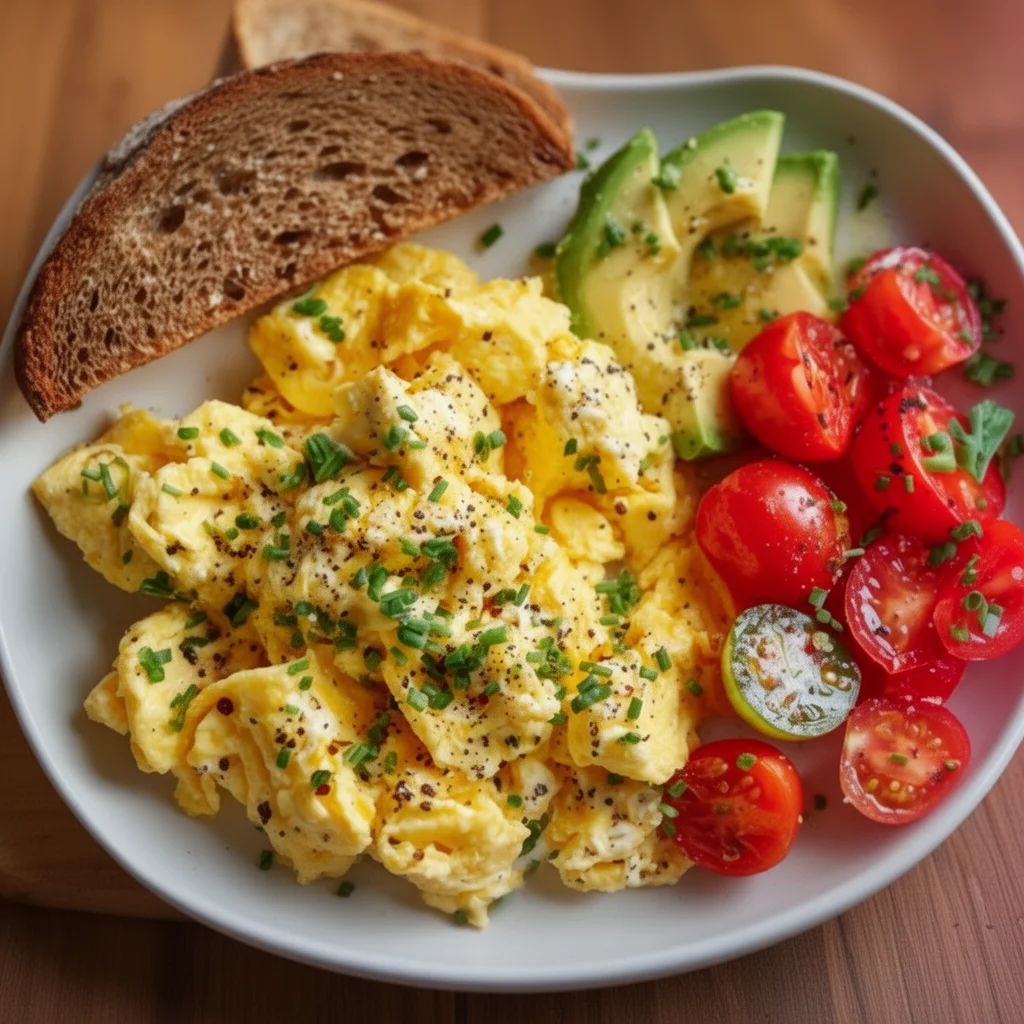
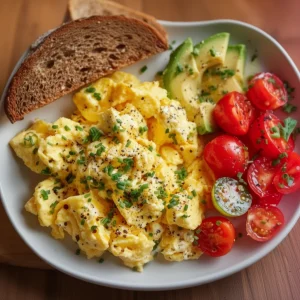
- Classic breakfast: Serve on buttered whole-grain toast with a sprinkle of chives or scallions.
- Protein-packed bowl: Add sautéed spinach, cherry tomatoes, and a few slices of avocado.
- Light brunch plate: Pair with peppery arugula dressed in lemon and olive oil and a side of fresh fruit.
- Kid-friendly: Fold in a little shredded mild cheddar and serve with whole-wheat toast cut into fun shapes.
Storage and reheating tips
- Refrigerator: Cool leftovers to room temperature, then cover and refrigerate within two hours. Consume within 3–4 days.
- Freezing: Scrambled eggs with cottage cheese don’t freeze well—the texture becomes watery and grainy. I don’t recommend freezing.
- Reheating: Gently reheat in a nonstick skillet over low heat, stirring often and adding a teaspoon of water or milk to restore moisture. Heat only until warmed through (aim for 165°F/74°C if using a thermometer) to avoid overcooking.
- Safety: Use pasteurized eggs and properly store leftovers to minimize risk. Discard if left out over two hours.
Pro chef tips
- Cook low and slow. Medium-low heat yields soft, custardy curds every time.
- Don’t over-stir. Stirring occasionally forms larger curds and prevents the eggs from becoming grainy.
- Finish off-heat. Removing the pan just before you think they’re done prevents carryover cooking from turning them dry.
- Texture control: For a silkier result, briefly blend the eggs and cottage cheese with an immersion blender before cooking.
- If your cottage cheese is watery, drain it lightly on a paper towel for a minute to avoid thinning the eggs too much.
Creative twists
- Herb-forward: Fold in chopped dill, parsley, or tarragon at the end for a bright flavor lift.
- Mediterranean: Add sun-dried tomatoes, olives, and crumbled feta (reduce salt).
- Smoky protein: Stir in smoked salmon or flaked cooked trout for a brunch-worthy plate.
- Veggie boost: Sauté mushrooms, bell peppers, or spinach first, then cook the egg mixture in the same pan.
- Spicy variant: Stir in a pinch of smoked paprika or a few drops of hot sauce.
Your questions answered
Q: Will the cottage cheese cook through?
A: Yes. Cottage cheese will warm and soften during cooking; the curds won’t disappear entirely but will integrate into the eggs, adding creaminess.
Q: How high is the protein content?
A: Two large eggs provide about 12–14 g of protein; 1/4 cup cottage cheese adds roughly 6–8 g depending on the brand—so expect around 18–22 g total.
Q: Can I make this ahead for meal prep?
A: It’s best fresh. You can cook ahead and refrigerate, but reheated eggs lose some texture. If you must prep: undercook slightly, cool quickly, store airtight, and reheat gently.
Q: Is this safe for pregnant people?
A: Use pasteurized cottage cheese and fully cook the eggs (no runny yolk) to reduce any risk of foodborne illness. Consult your healthcare provider if unsure.
Q: Can I add milk or cream?
A: Not necessary—the cottage cheese supplies moisture and richness. A splash of milk can thin the mixture if you prefer softer curds.
Conclusion
If you want inspiration or nutritional breakdowns from other trusted recipe developers, check these takes on the same concept: High-Protein Scrambled Eggs with Cottage Cheese – Skinnytaste and High-Protein Scrambled Eggs with Cottage Cheese – Joy Bauer. These pages offer variations and tips that pair well with the simple method above.
High-Protein Scrambled Eggs with Cottage Cheese
Ingredients
Main Ingredients
- 2 large eggs
- 1/4 cup cottage cheese (small or medium curd; full-fat preferred)
- Salt and freshly ground black pepper, to taste
- 1 teaspoon butter or oil for cooking (butter adds flavor; neutral oil tolerates higher heat)
Optional for Serving
- toast, fresh greens, or fruit For serving
Instructions
Preparation
- Crack the eggs into a bowl. Add the cottage cheese, a pinch of salt, and a few grinds of black pepper. Whisk until the mixture is homogeneous but still slightly lumpy from the cottage cheese.
- Heat a nonstick skillet over medium heat and add a small pat of butter or 1 teaspoon oil. Swirl to coat.
- Pour the egg mixture into the skillet. Let it sit for 10–15 seconds so the edges begin to set.
- With a silicone spatula, gently push the eggs from the edge toward the center. Stir slowly and intermittently to form large, soft curds.
- When the eggs are mostly set but still slightly glossy, remove the pan from the heat. The residual warmth will finish cooking them.
- Taste and adjust seasoning. Serve immediately with toast, salad greens, or fruit.